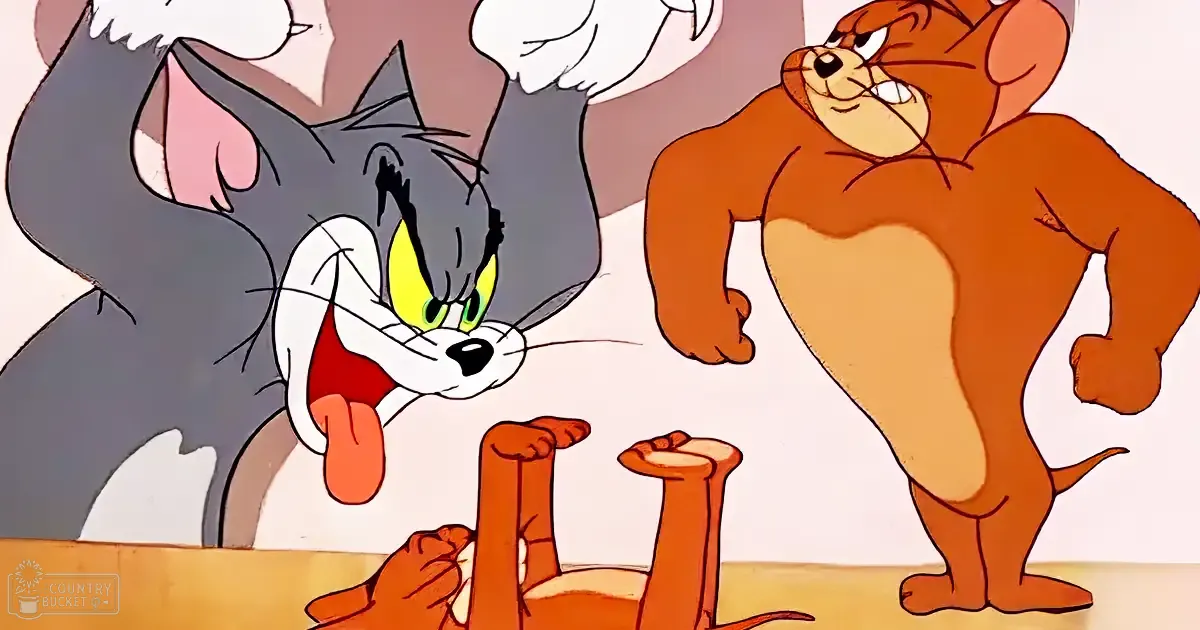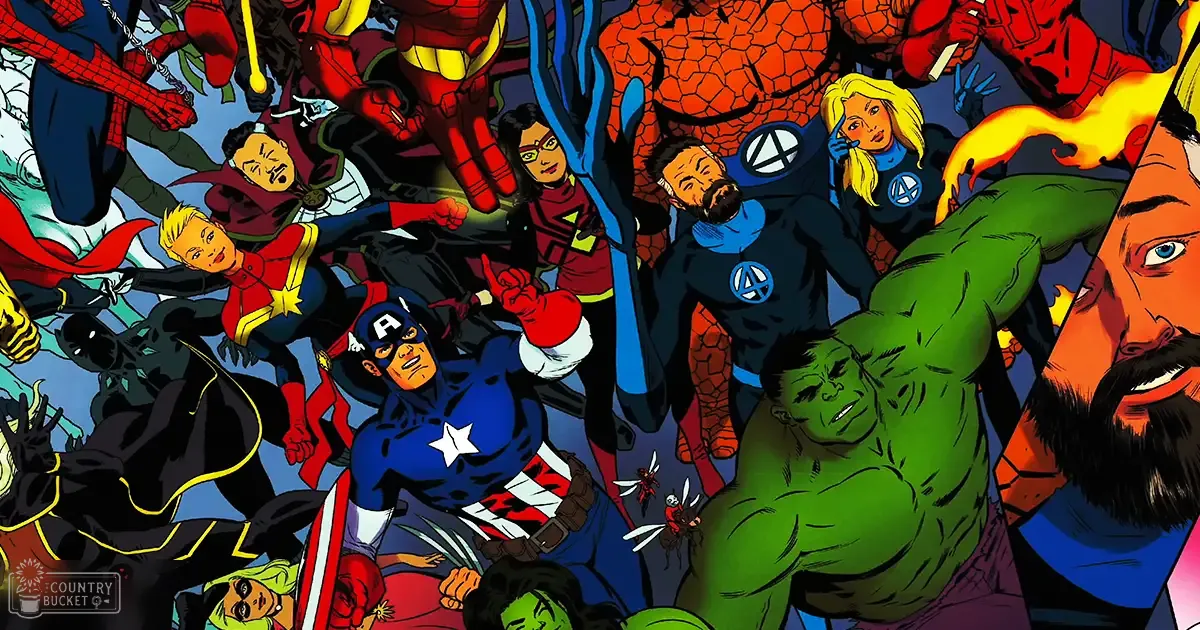
Have you ever wondered what makes superhero comics irresistibly fun and unique?" With that question, I watched a video clip that took me on a nostalgic journey through the world of superhero storytelling.
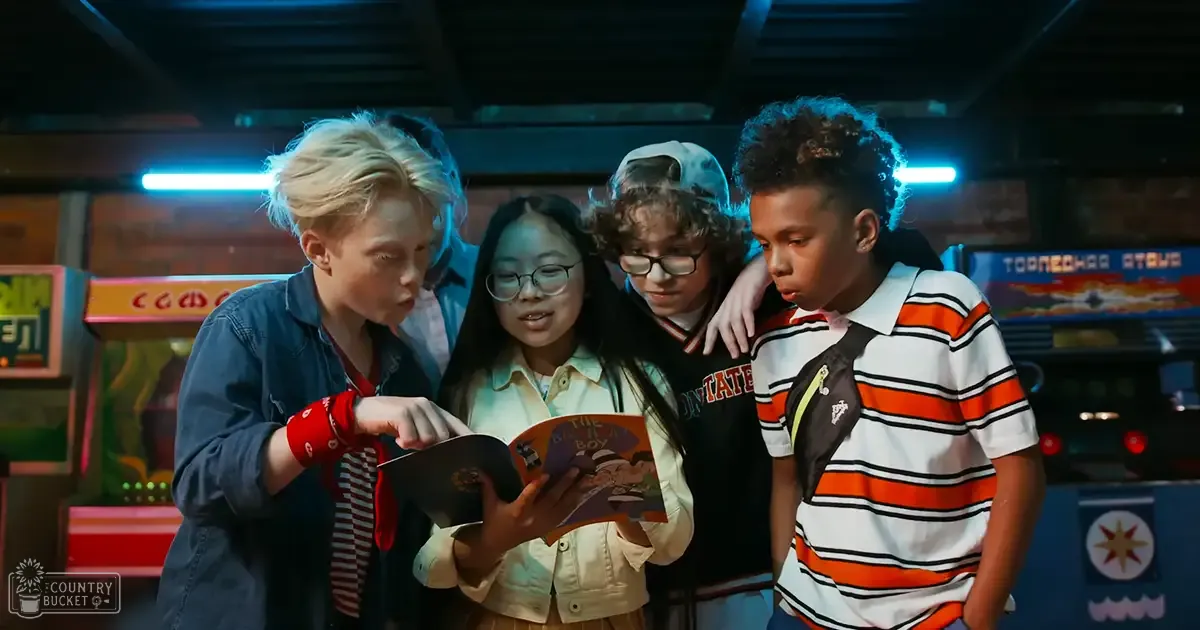
Evan Puschak, the brilliant mind behind The Nerdwriter, laid out the fascinating lifecycle of these comics, showing us how the growth of characters, epic crossover events, and even the occasional reboot when tales become too intricate all combine to keep fans captivated and wallets open.
So, here's a little insight for those not yet initiated: every comic aficionado faces the eternal dilemma – Marvel or DC? While both universes offer many heroes and villains, it's almost like choosing a sports team. Most of us lean towards one, and here's why: firstly, both DC and Marvel fans have their unique teams, and loyalty runs deep.
Secondly, the narratives and continuities in each universe can be so mind-boggling that it feels like there's only enough brain bandwidth for one. And thirdly, many of us got our comic start in the early 2000s, thanks to shows like Smallville.
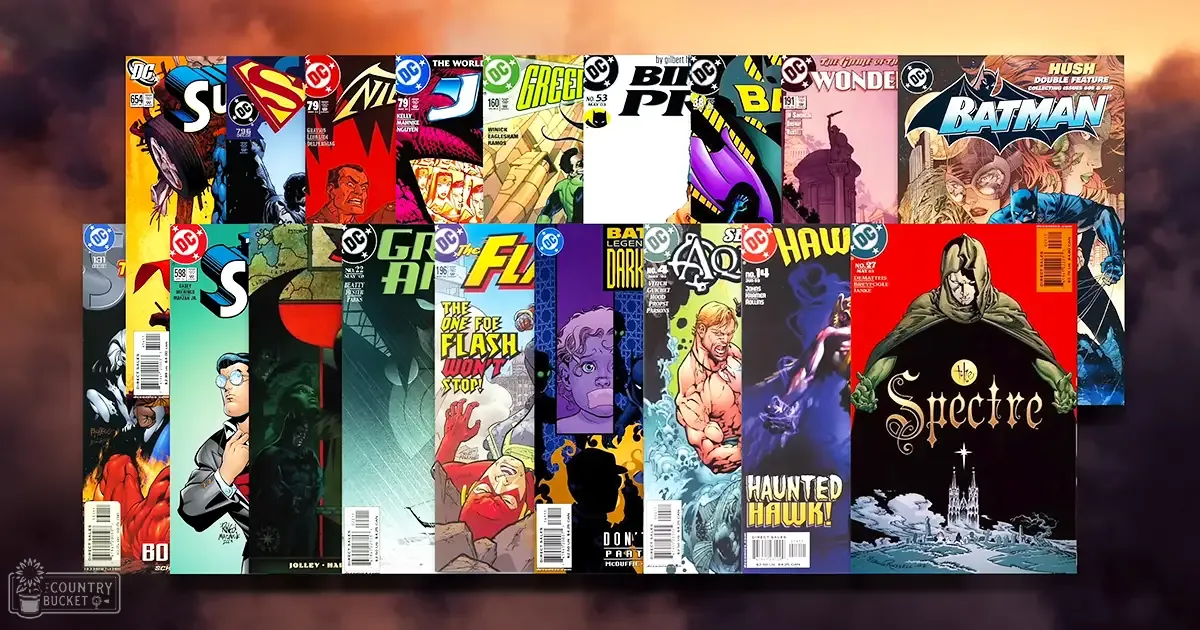
Who could resist the tales of a young Clark Kent? With comics priced at a mere $2.25 an issue, it was easy to dive in. However, the real fun started when stories began to interconnect, prompting us to add multiple comics to our reading list and, of course, our expenses.
In the early 2000s, DC Comics cleverly used crossover events as a revenue booster. They introduced titles that were interconnected with a whopping 333 comic crossover issues. Not to be outdone, Marvel rolled out its own mega-crossover events.
Now, these weren't just about making money. Oh no, they demanded both time and mental commitment from readers. There was so much to grasp, remember, and link together. It was like piecing together an intricate jigsaw puzzle!
As stories interwoven, the stakes skyrocketed. Villains evolved; threats magnified. Initially, it was just a building under threat. Still, soon, entire neighborhoods, the world, galaxies, and even multiverses were at stake. As these narratives reached their crescendo, superheroes would unite, often forming teams to combat the menace.
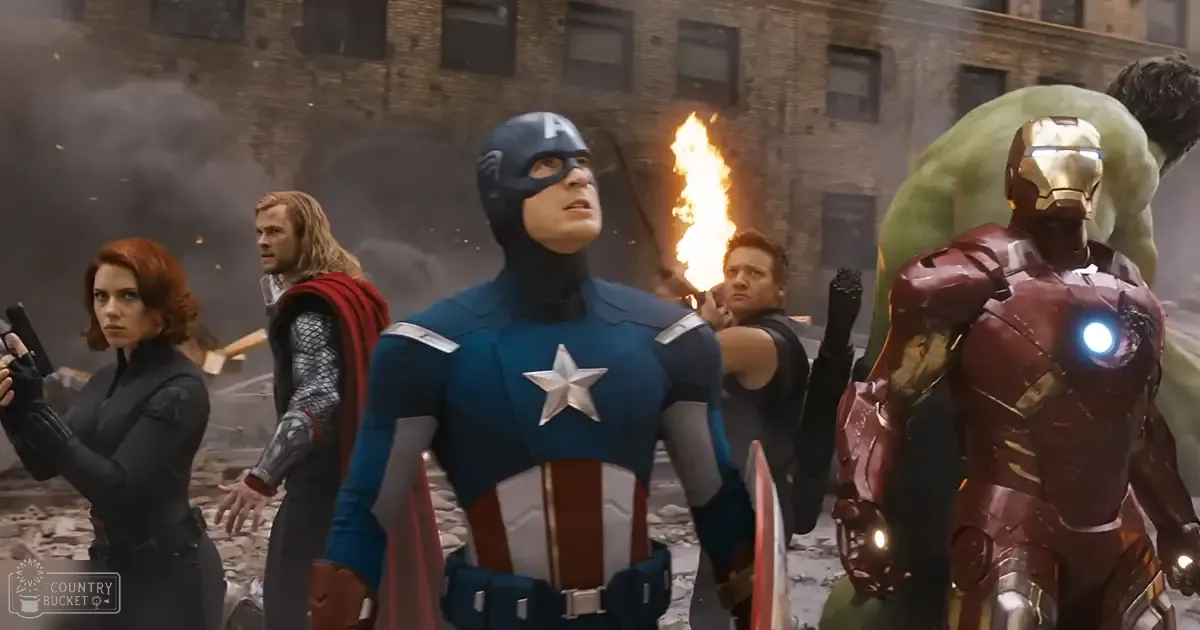
But here's the catch: these crossovers became challenging to fathom with so many threads entwined. It felt like one needed a PhD in superhero lore to keep up! This complexity often led to what's known in the comic world as a "reboot". While a complete continuity reboot is a rarity, a 'soft reboot' is more common. This involves erasing or simplifying past events, reviving characters, and setting the stage for new adventures.
This strategy isn't confined to the pages of comics. The Marvel Cinematic Universe (MCU) has masterfully adopted this approach. After the epic battle with Thanos, the MCU expanded its interconnected world with a series of TV shows. It's a pattern familiar to any comic book enthusiast.
In wrapping up, I'd urge you to check out that video clip I mentioned earlier. Why? It's a heartwarming throwback to those simpler times when our biggest concern was whether our favorite superhero would triumph over evil. Share it with friends and family, and let them relive the magic.