It is fascinating that people survived the 1970s for many reasons. Some of the most nostalgic items from the decade could’ve killed you! Here’s a look at some things that weren’t as safe as we once thought!
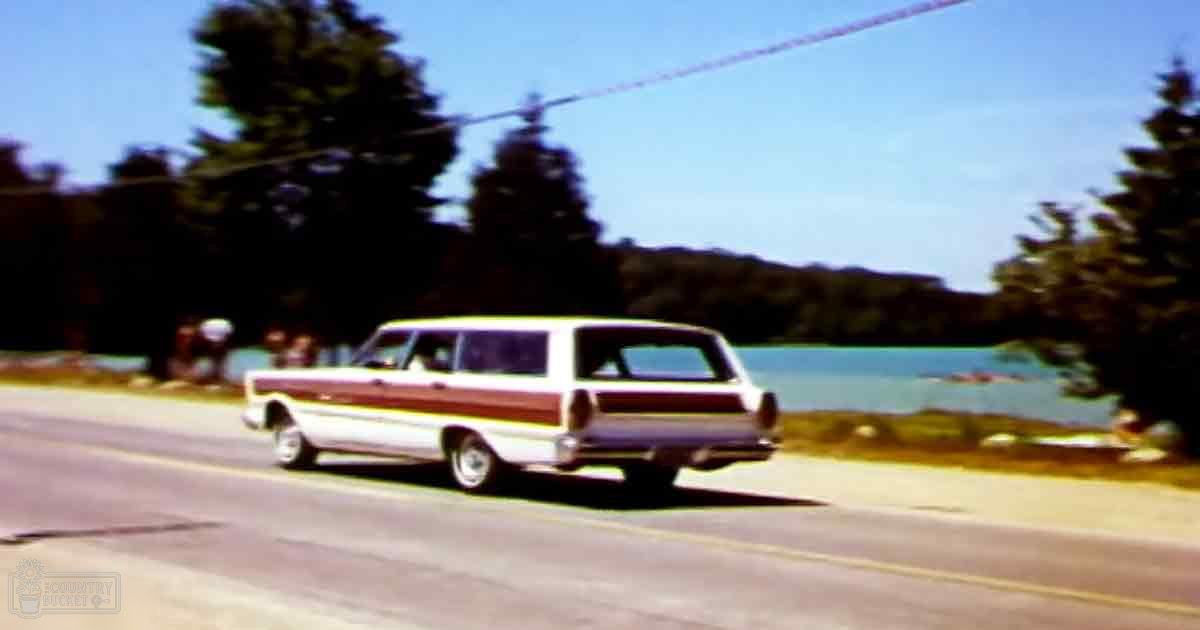
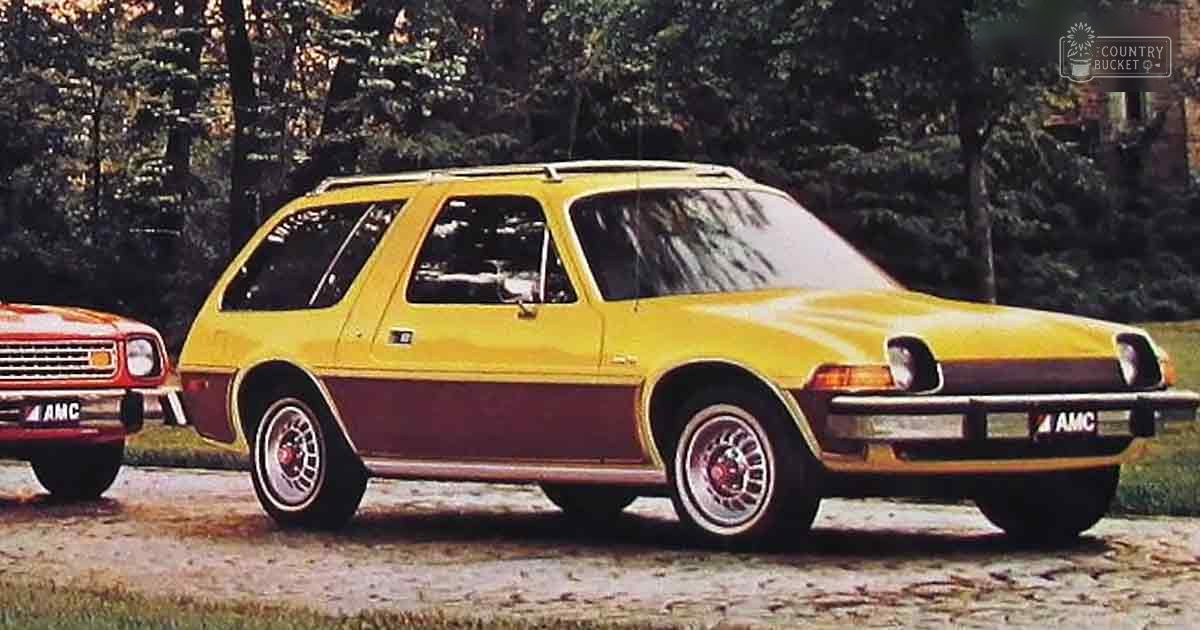
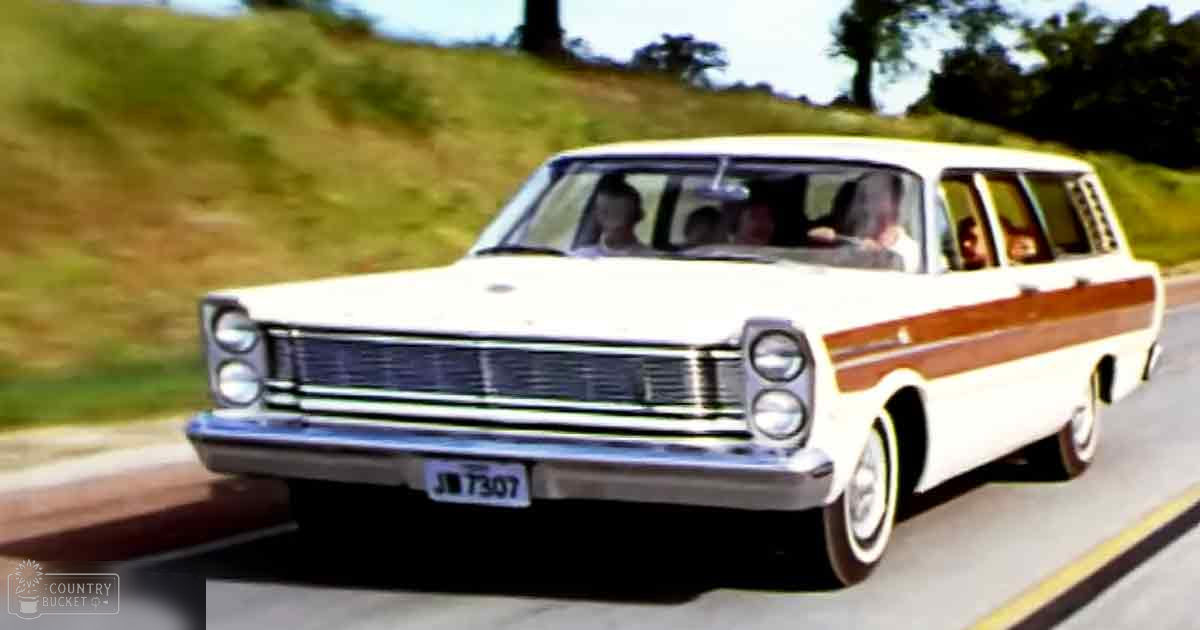
The family station wagon was a body-style of a vehicle that had tremendous cargo space. Station wagons could reconfigure their interior to fit more people or suitcases.
Kids would often ride in the very back of the vehicle without seats or seat belts. They would wave to other cars as they passed by or make faces at the drivers. This dangerous activity was considered common, but it could’ve killed us.
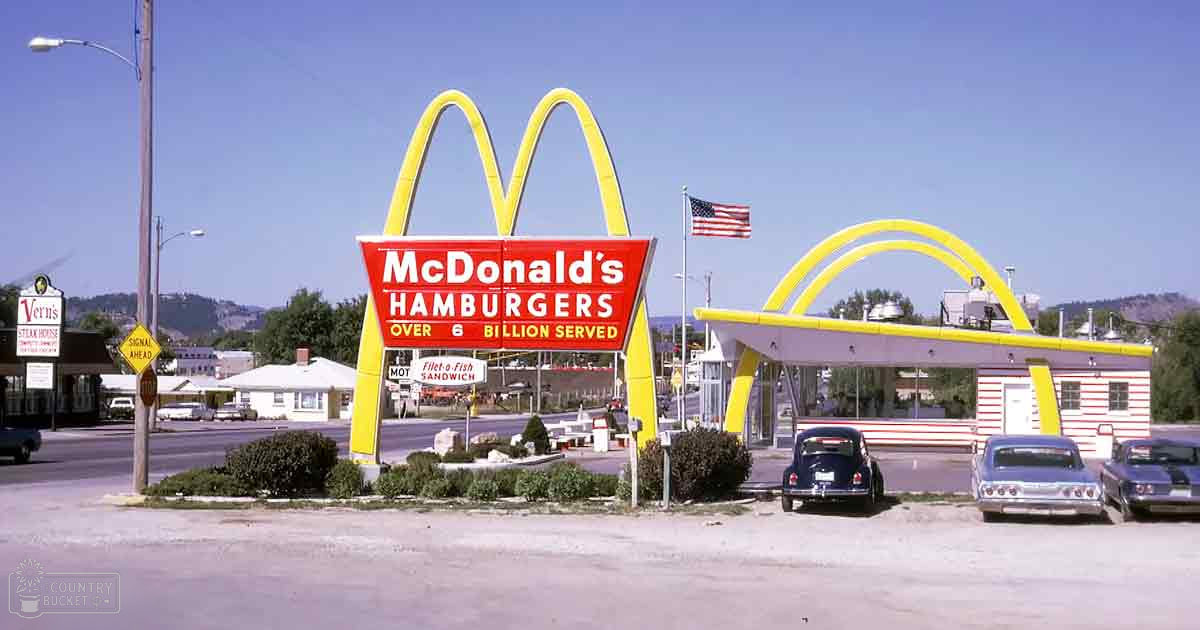
Perhaps you drove to ‘McDonald’s’ to buy one of their dangerous collectible glass cups. They sold 60 million of these 49-cent famous glasses featuring movie characters and ‘McDonald’s’ mascots.
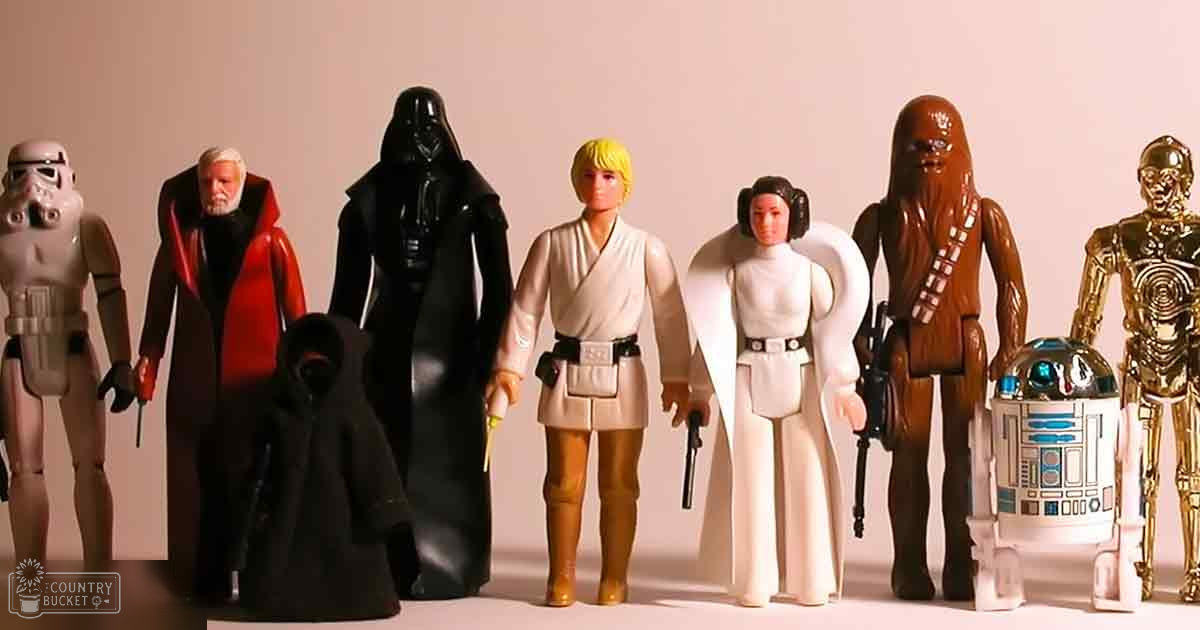
They stopped selling them when they realized they had 18 times the legal limit of lead in the paint on the glasses! Those friendly painted characters like Ronald McDonald and Luke Skywalker would fill you with lead while drinking.
Methaqualone was a popular hypnotic sedative in the 70s. It was sold under the brand name ‘Quaalude.’ It contained 300mg of methaqualone. It was used as a sedative for insomnia and muscle relaxation and quickly became a recreational drug.
Topping the list of things that could’ve killed you in the 1970s is the warm, cozy, and deadly electric blanket. The integrated electrical heating wires were controlled by a unit that adjusts the heat. These blankets were comfy on a cold night but potentially fatal if they caught fire.