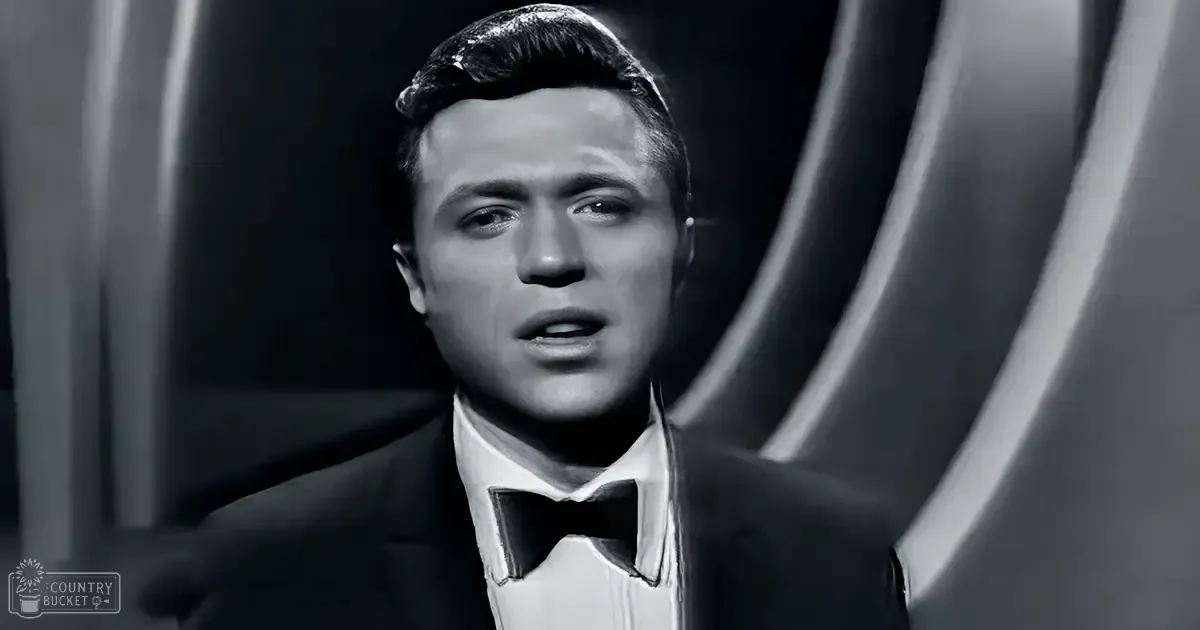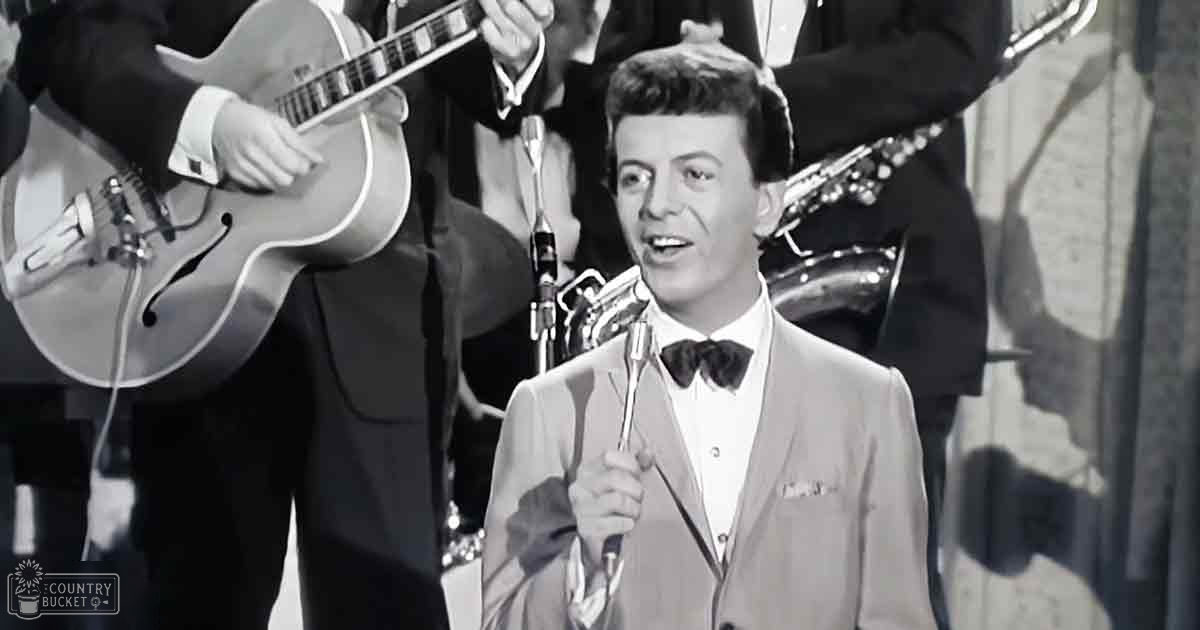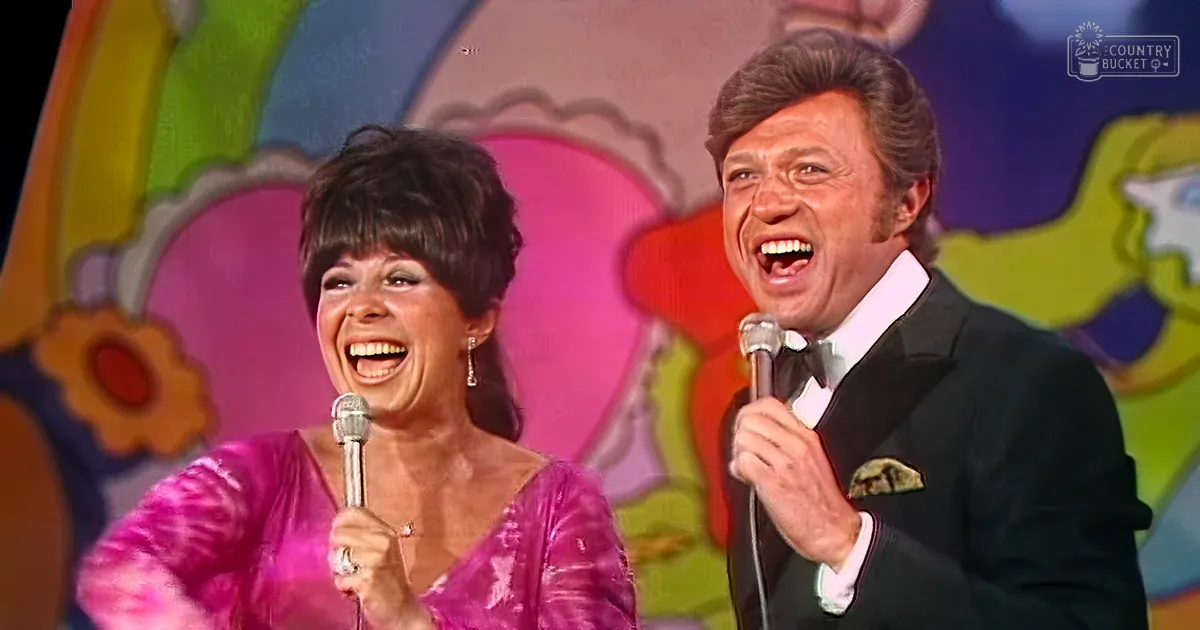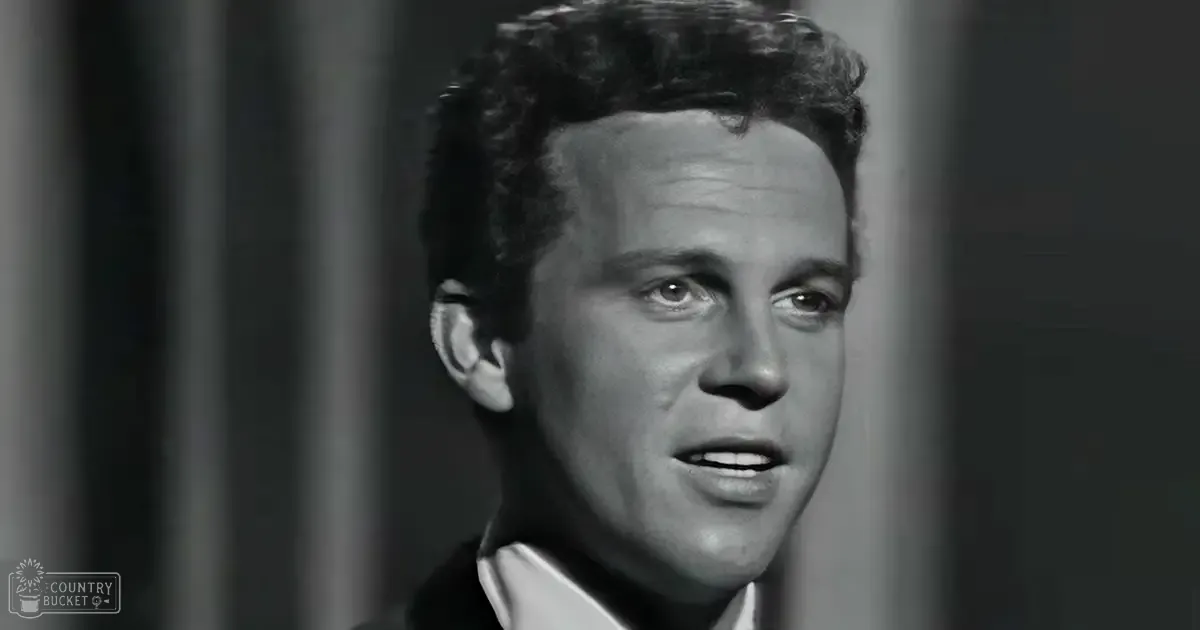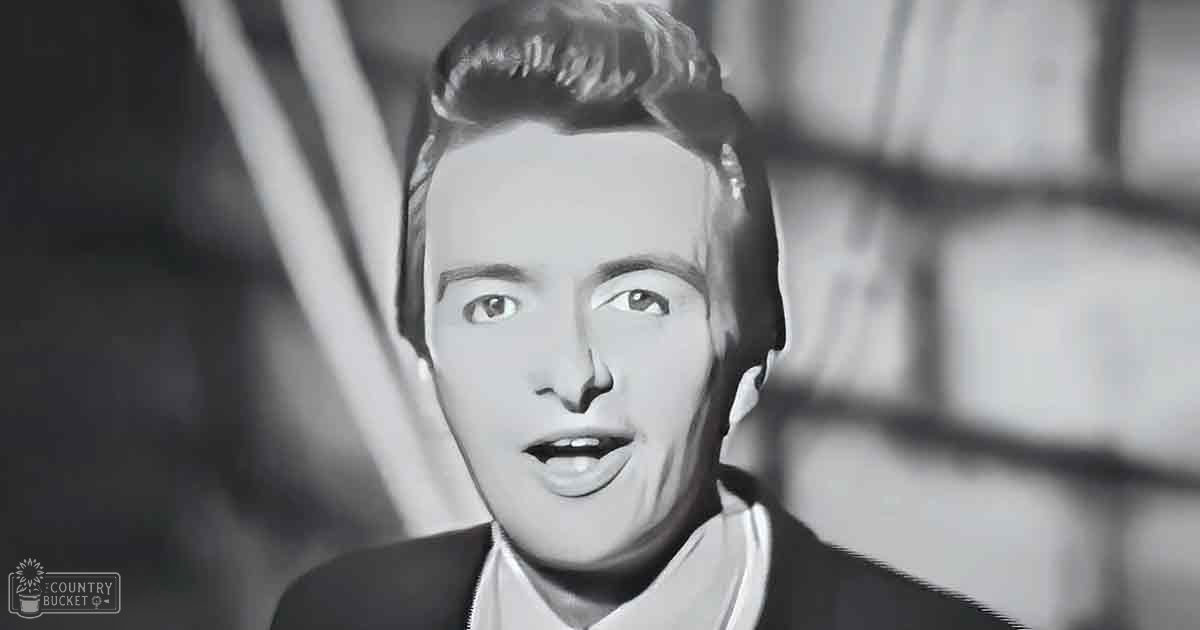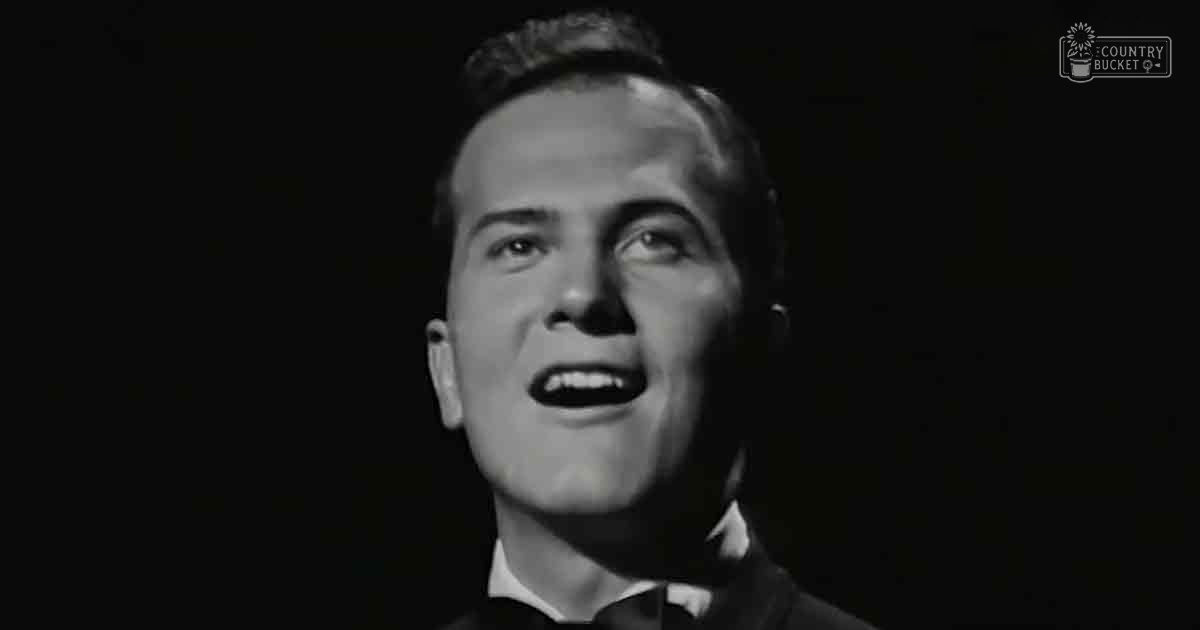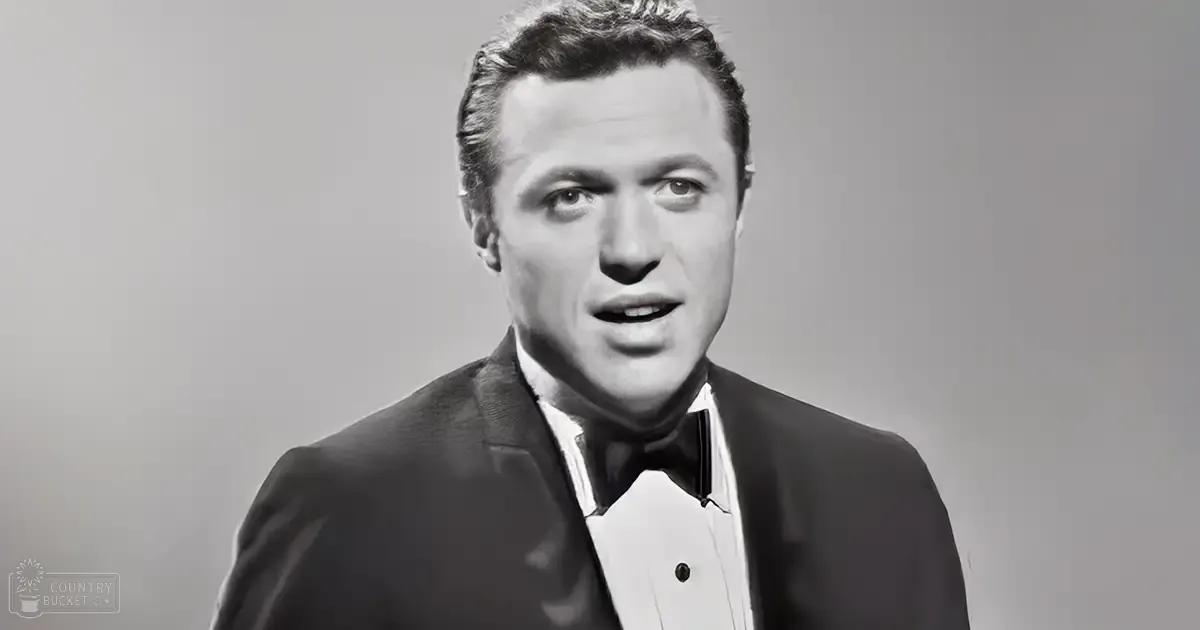
March 8, 1964, was a time when television was more than just entertainment; it was a weekly gathering point for families. On one special evening, The Ed Sullivan Show brought the unforgettable performance of Steve Lawrence, a singer whose voice knew how to echo the depths of the heart into living rooms.
His rendition of "A Room Without Windows" was not just a performance but a shared experience with an audience spellbound by his melodic storytelling. As the stage lights brightened, there stood Lawrence, a figure of classic charm, his voice ready to unfold a tale of a lover's imagination encapsulated in the song.
"A Room Without Windows," a hit of its time, resonates with listeners. Its lyrics, laden with emotion, spoke about how the narrator wanted to spend time with his girlfriend, a universally understood and felt theme. The audience, both in the studio and at home, enjoyed the happy and uplifting track.
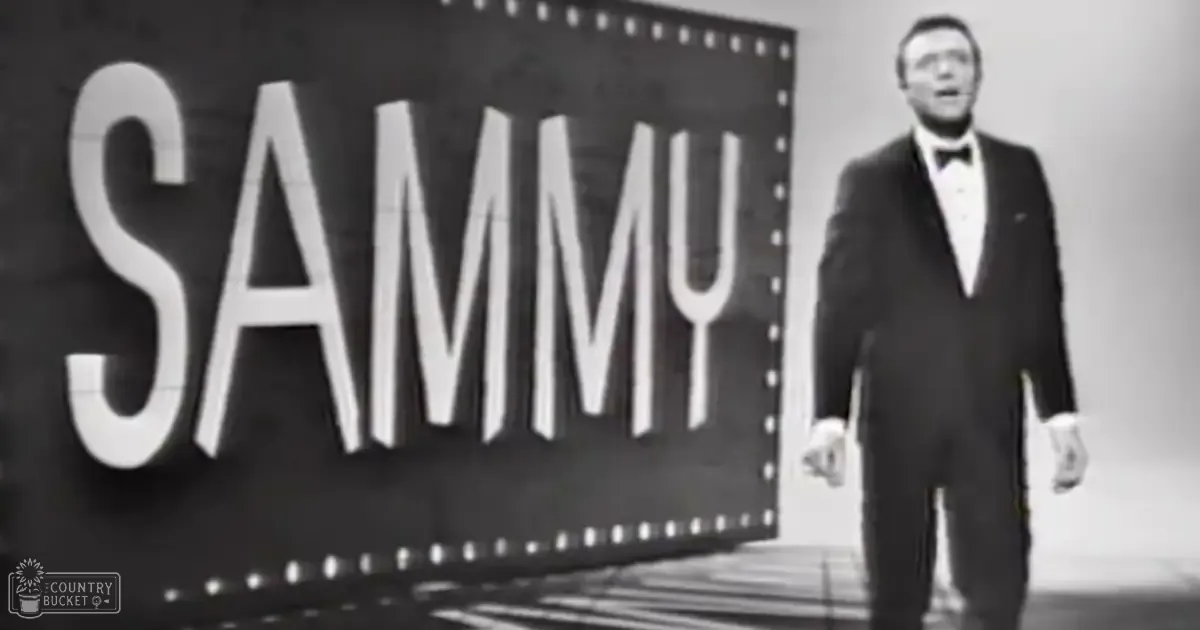
This was the power of Lawrence's performance; it was more than just a song; it was the feelings. This video clip of the live performance, now a treasured piece of musical history, stands as a testament to genuine artistry. It shows how a song, performed with sincerity and passion, can transcend decades and continue to stir emotions even today.
The song was originally penned by Barry Mann and Cynthia Weil, part of the legendary Brill Building songwriters in New York City. Their collaboration brought forth hits like "You've Lost That Lovin' Feelin'," "On Broadway," and "We Gotta Get Out of This Place," songs that not only topped charts but also shaped the sound of a generation.
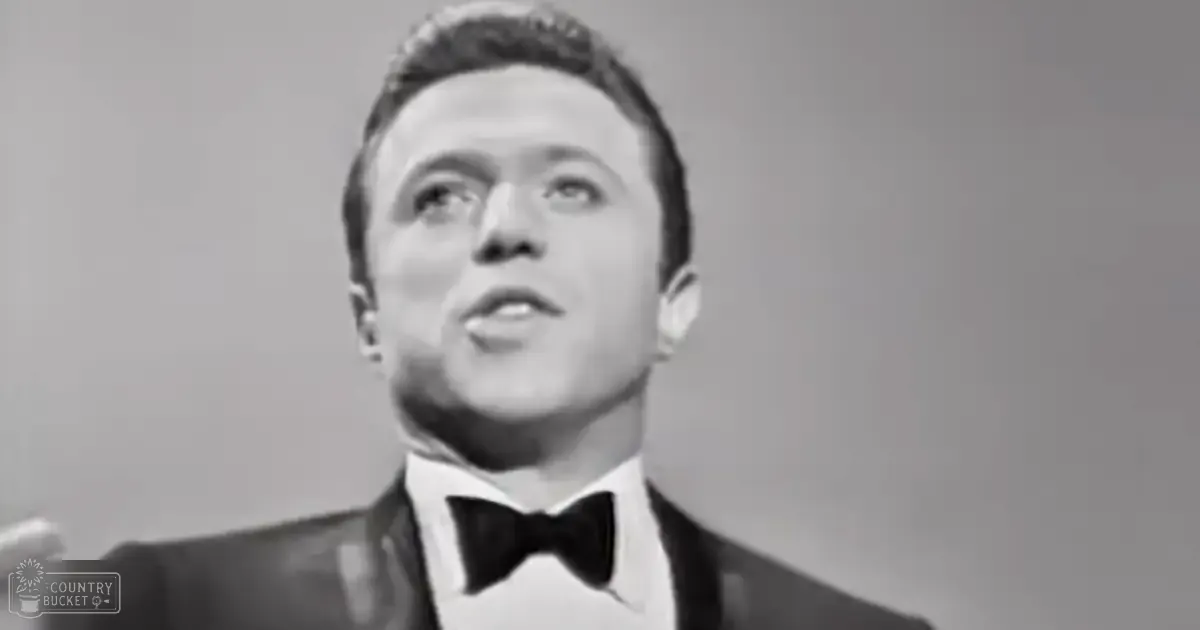
Today, as we watch this clip, it's more than just revisiting a performance. It's about connecting with a period where music was an intimate, shared experience.
So, let's continue to celebrate these moments, these fragments of history that remind us of the unifying power of music.