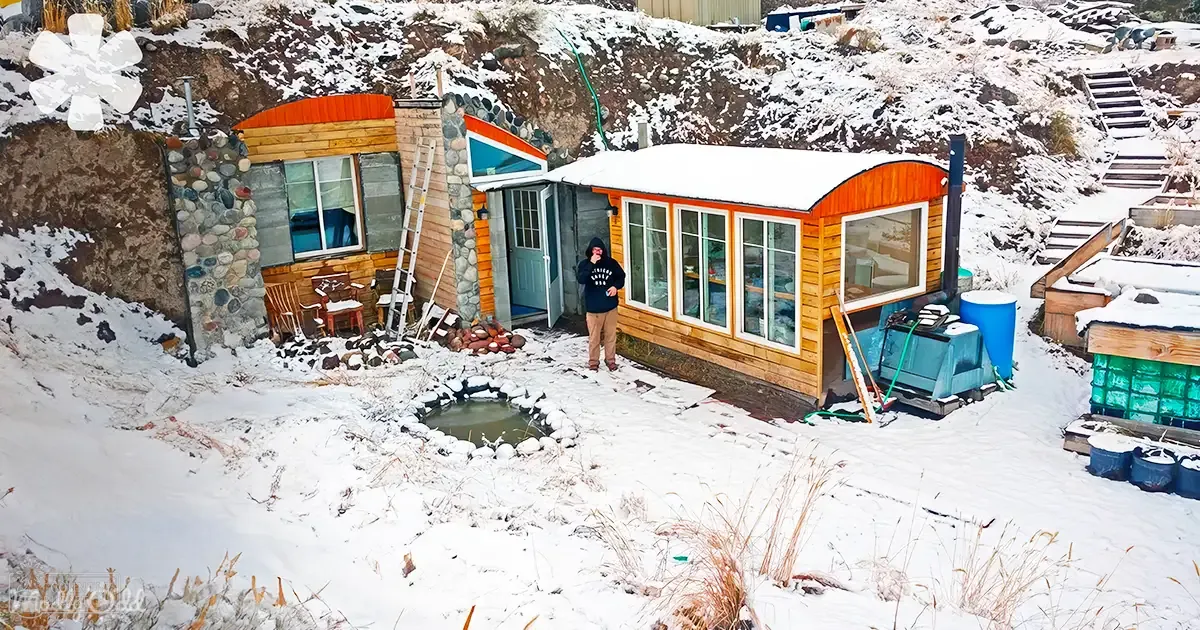
Stepping into Paradise Valley, Montana, we’re welcomed by a vast expanse of nature’s splendor, and a peculiar yet fascinating attraction – an underground bunker village. Spanning an area with 52 bunkers designed in the 1980s as a nuclear fallout refuge, these subterranean shelters collectively can house hundreds. The standout figure behind the project, Dean Anderson, saw potential where many saw remnants of past fears.
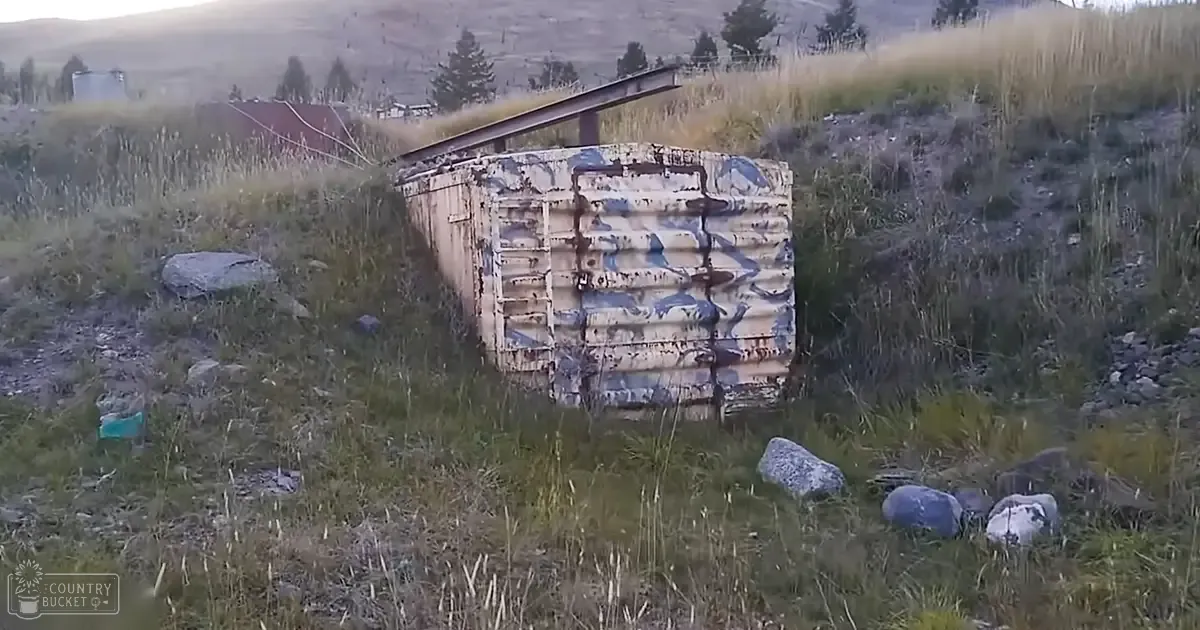
Dean’s story of acquiring one such bunker is as intriguing as the history of the bunkers themselves. When he discovered a bunker for sale – filled with a whopping 45,000 pounds of dried food, no less – he didn’t see a deserted space. Instead, he envisioned a community brimming with life. Isn’t it amazing how we, tiny home enthusiasts, often see potential where others overlook?
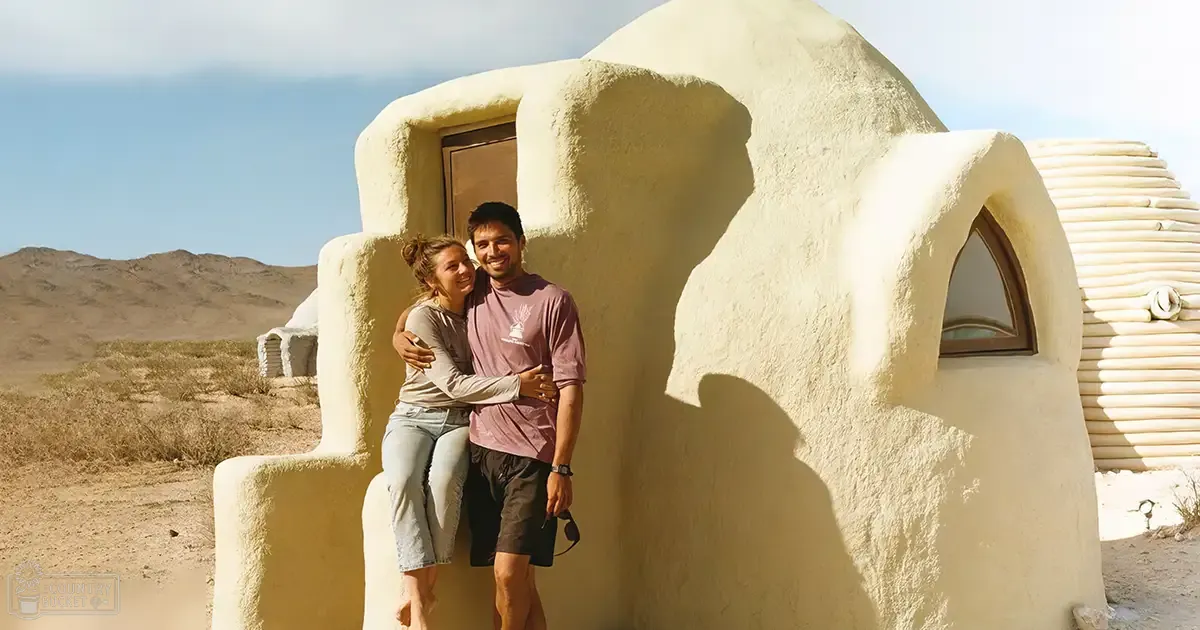
Take a moment to immerse yourself in the charm of Dean’s bunker. Inside, the sprawling 5,000 square-foot cement igloo features hallways that beckon us into the heart of the house. What’s particularly striking is the attention to detail. From the dome room with its distinct lighting to the fascinating emergency hole, the design has retained much of its historical character.
The concept of utilizing what is available aligns perfectly with the spirit of the tiny house community. While the bunker isn’t “tiny” by usual standards, it resonates with our ethos of maximizing space, reusing existing structures, and living sustainably. Dean’s dedication to repurposing is commendable – from making use of old food storage barrels to converting septic tanks for geothermal heating.
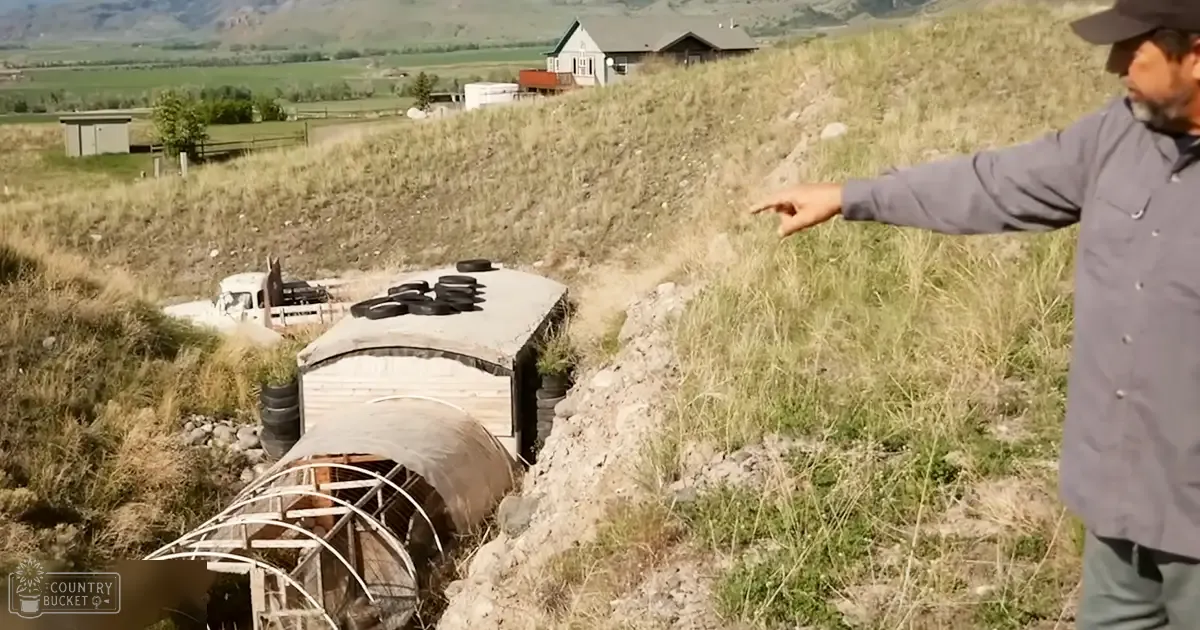
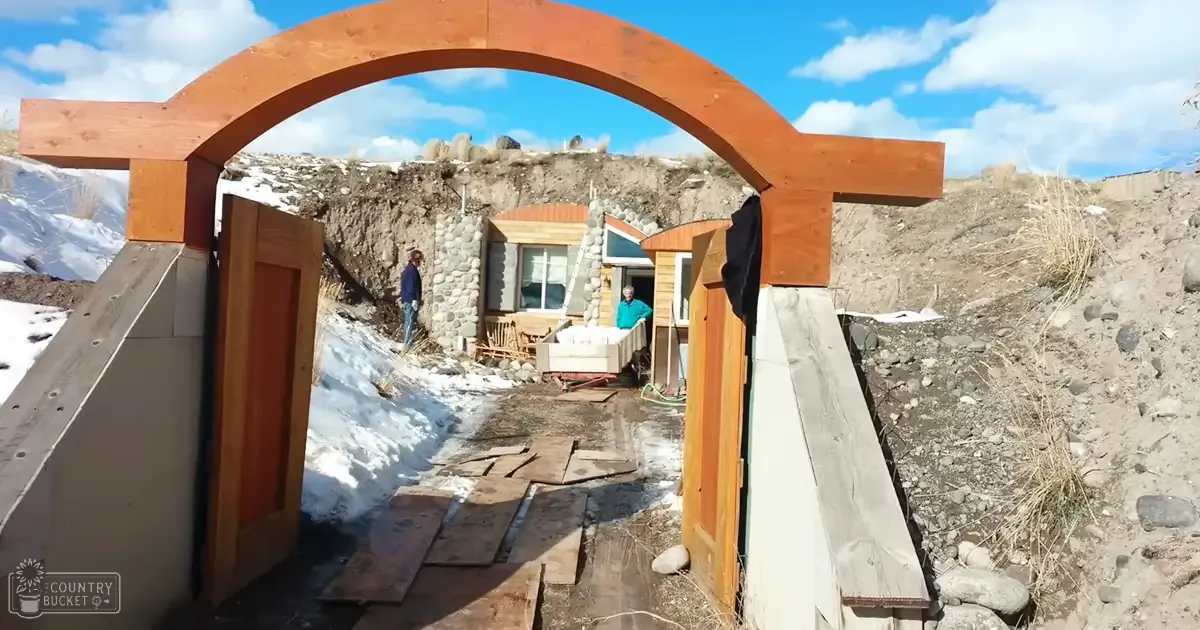
As we explore further, we notice the Hobbit-house style that Dean and his team are cultivating. Rocks imported from Montana’s vast landscape provide not only aesthetic charm but also serve a functional purpose, preventing erosion and safeguarding against nuclear dust.
Inside, the main living area is a testament to adaptive reuse. What was once a decontamination chamber is now a cozy, inviting space, replete with modern comforts. We can’t help but marvel at the ingenious geothermal heating system, a testament to Dean’s commitment to sustainability.
Beyond its physical attributes, what’s truly heartwarming is Dean’s mission. Drawing from personal experience, he employs projects like the bunker to aid young addicts and alcoholics, giving them purpose, direction, and hope. In doing so, he channels the ethos of our tight-knit tiny house community, which believes in the power of fresh starts and the magic of small spaces.
By sharing Dean’s story, we hope to inspire you. Not just to dream of downsizing or living sustainably, but to see the potential in discarded spaces and to reimagine them with love, care, and community in mind.
To dive deeper into the world of the Montana bunker village and witness its transformation, we’ve prepared a special treat for you. We encourage you to check out the video of this magnificent underground village because stories like these deserve to be shared, celebrated, and remembered by our community.