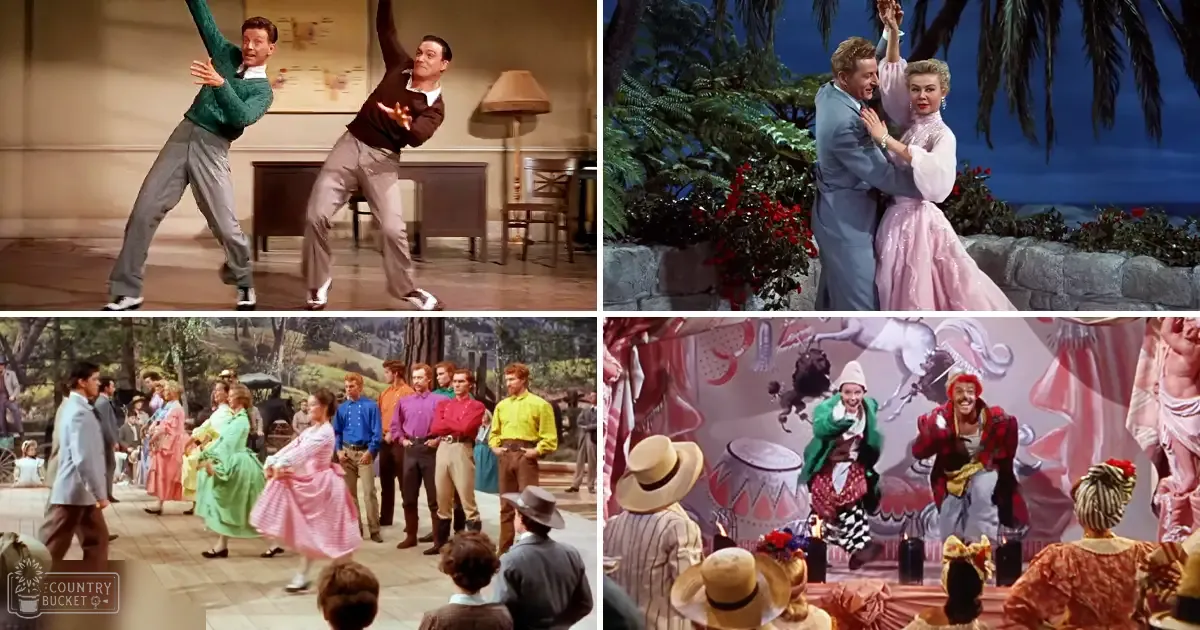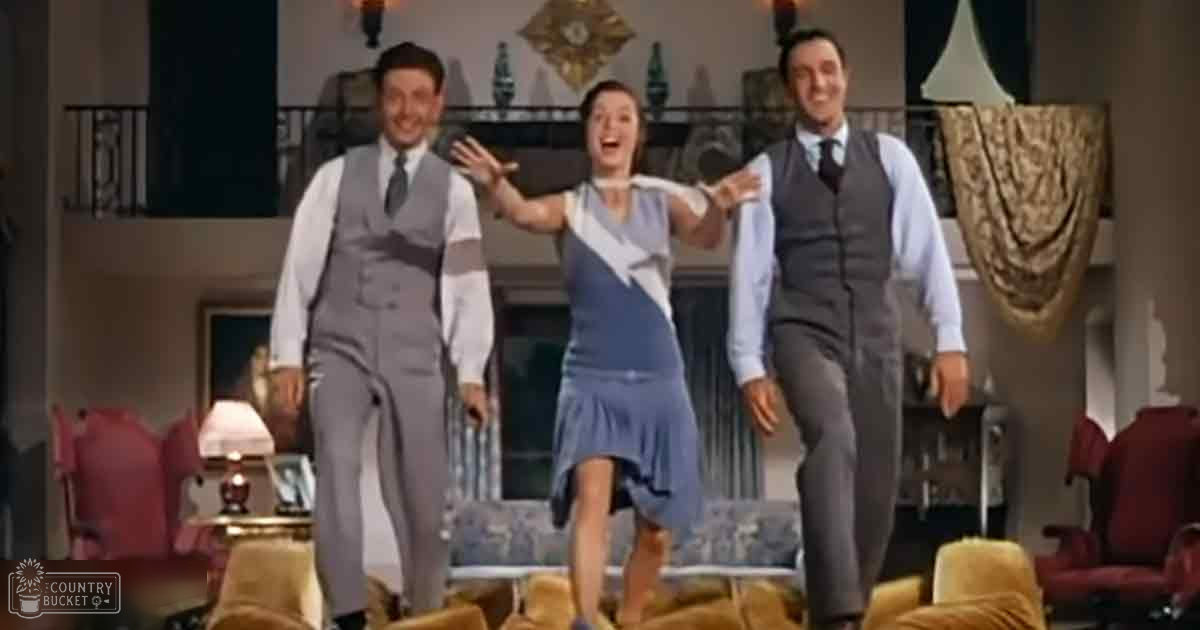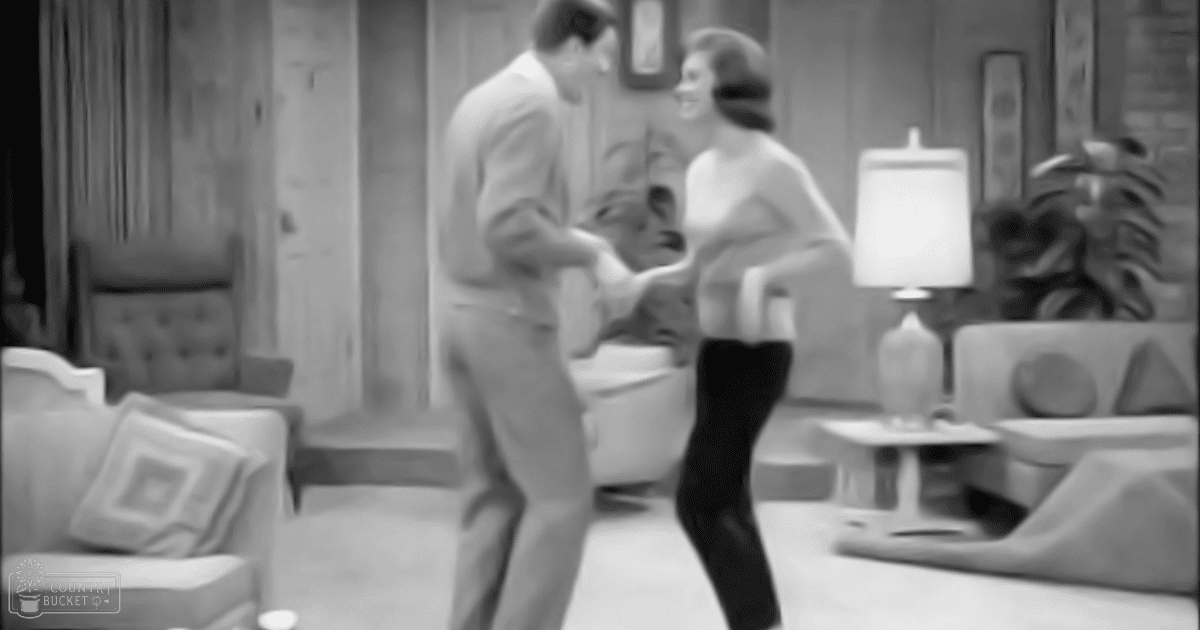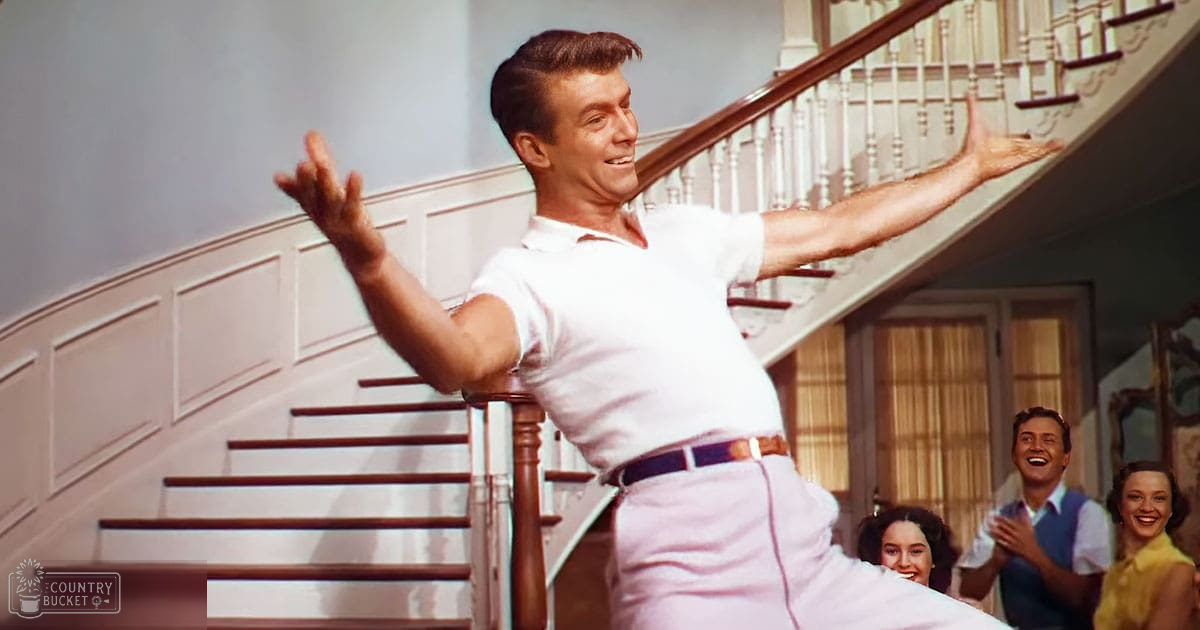
We return to the vibrant days of jazz and jitterbug where the gleaming silver screen was the vessel of dreams and imagination. It was a period imbued with unyielding creativity, a time when the world marveled at the glitz and glamour of Broadway and Hollywood.
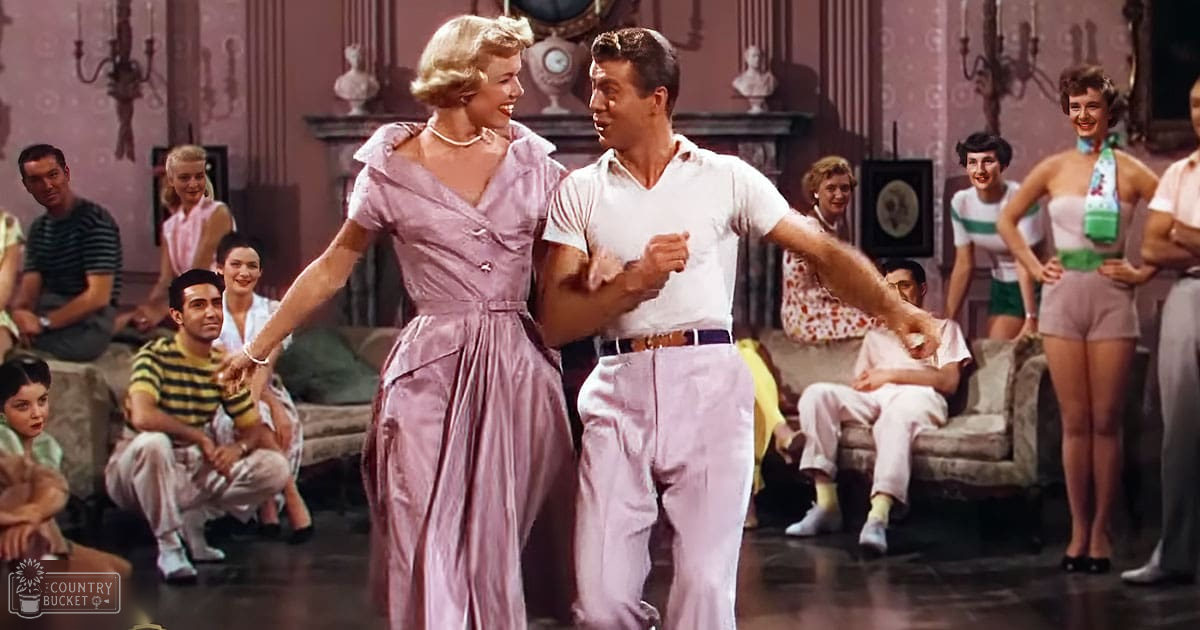
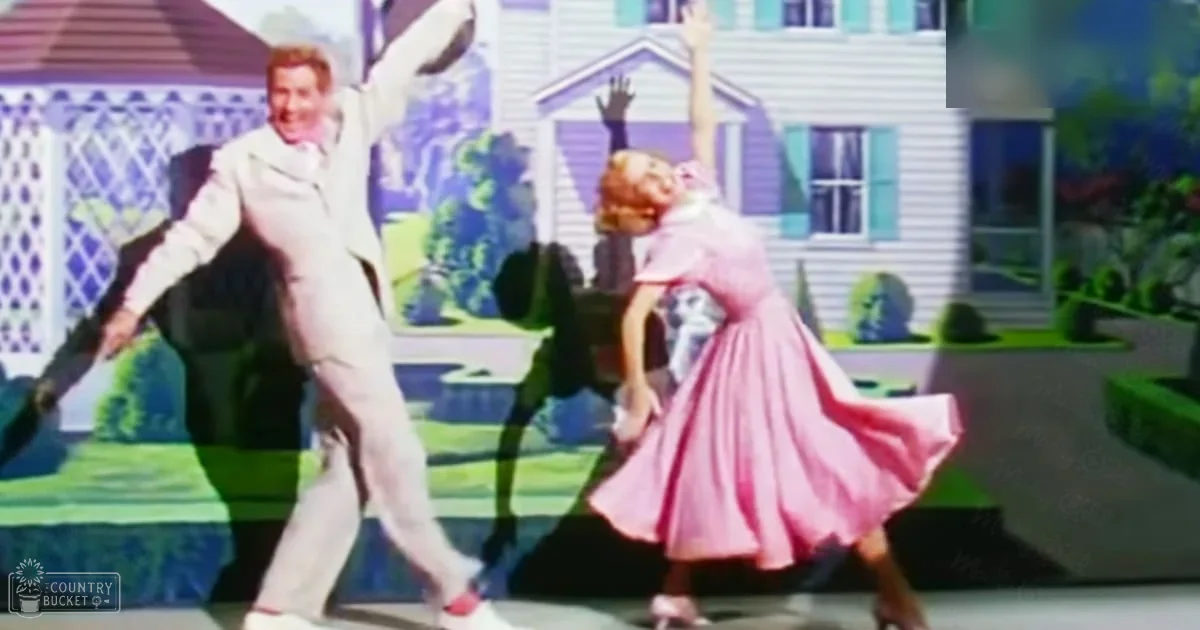
The film, "Tea for Two," radiates the essence of this era. Its leading lights, the luminous Doris Day, and the inimitable Gene Nelson, painted a picture of a more straightforward epoch, teeming with fervor and joy. They breathed life into their roles, embodying characters that gracefully waltzed between the dance floor's reality and the world beyond the silver screen.
Within the narrative fabric of this film unfolds an enthralling dance sequence that has weathered the passage of time. The scene emerges amidst a battalion of skillful dancers, showing off their adept footwork to their tutor. As the melodies unfold, the duo, Doris Day's character and Gene Nelson, plunge into a spirited dance, their movements brimming with vivacity and elegance.
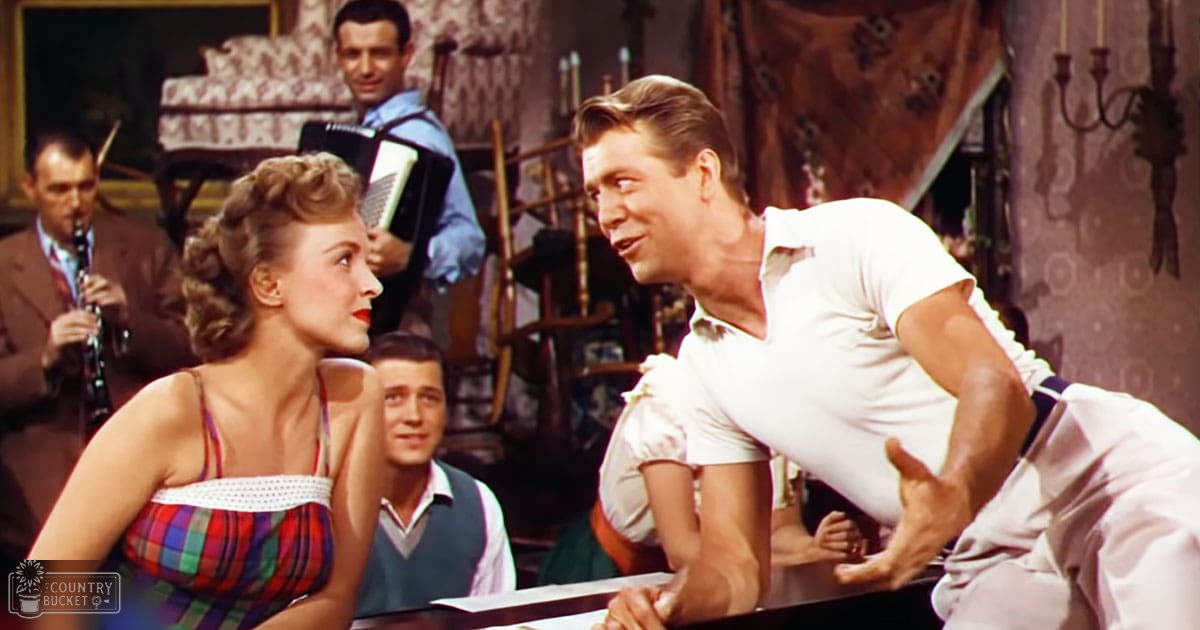
This mesmerizing performance was adorned with Gene Nelson's athletic flair, an exceptional fusion of Gene Kelly's potent dynamism and Fred Astaire's ageless grace. As they twirled in synchrony, their duet exuded a spellbinding allure that could leave any spectator breathless. It was a time when such masterful artistry was commonplace, an era where a bystander would exclaim, "You don't see moves like this anymore," underlining the unique and awe-inspiring talent of the period.
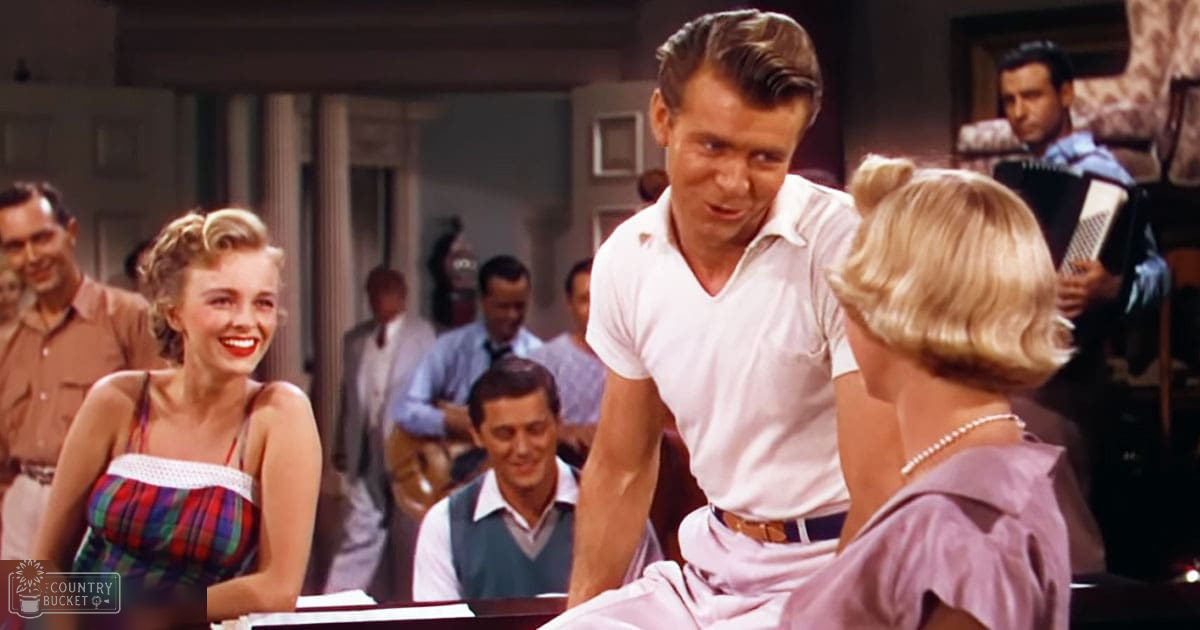
At the core of "Tea For Two" lies an intricate web of romance, a screenplay loosely constructed on the Broadway success, "No, No, Nanette." Encapsulated within this cinematic masterpiece is a precious fragment of our collective cultural past, an inspiring epoch of creativity and expression. "Tea For Two's" enchantment isn't limited to its spectacular dance routines. It reverberates in the compelling storytelling and the irresistible allure of the characters who, even after countless seasons, manage to ensnare our hearts.
So, allow yourself to be swept away into the colorful universe of "Tea For Two." This remarkable presentation serves as an enduring homage to a golden epoch of dance and film that still echoes through the corridors of our collective memory.